
What to Do With a Glut of Courgettes
One moment, you are proudly admiring the first tiny courgette of summer. A week later, you are standing in the kitchen surrounded by enough green vegetables to supply a small restaurant.
A glut of courgettes is a familiar problem for vegetable gardeners. These productive plants can produce several fruits each week, particularly during warm weather. Miss one harvest and an innocent-looking courgette may transform overnight into a marrow large enough to require its own postcode.
Fortunately, there are plenty of delicious, practical and occasionally ridiculous ways to use excess courgettes.
Harvest Courgettes While They Are Small
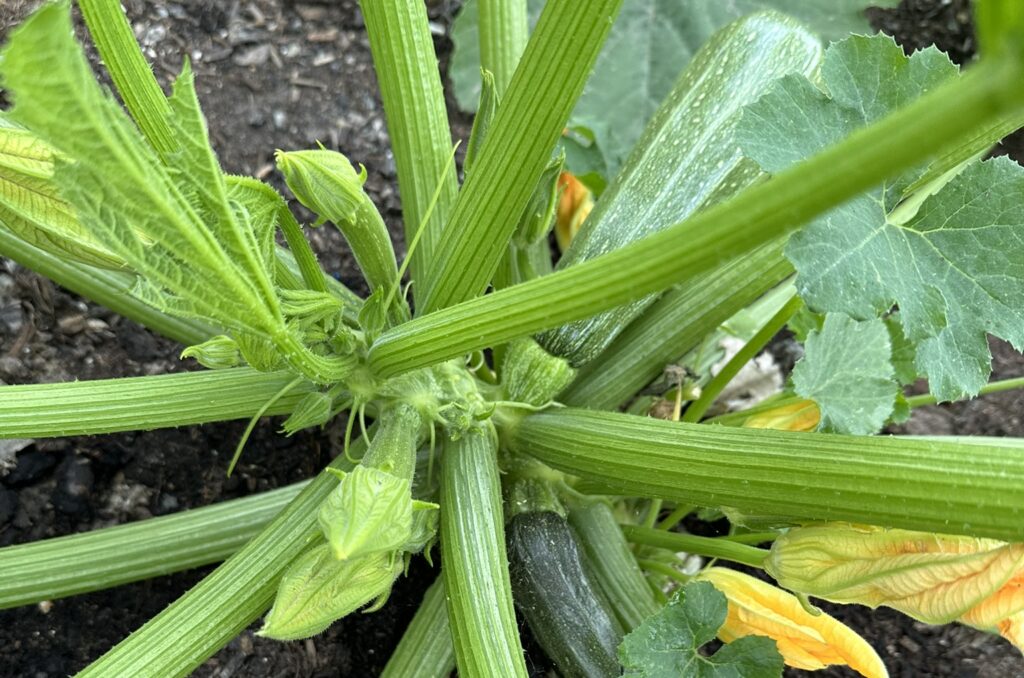
The easiest way to manage a courgette glut is to harvest regularly. Pick courgettes when they are around 10–15cm long for tender skins, firm flesh and the best flavour.
Check beneath the leaves every day or two. Courgettes are surprisingly talented at hiding until they have reached the approximate dimensions of a baseball bat.
Regular picking also encourages the plant to continue producing.
Freeze Courgettes for Later
Freezing is one of the simplest ways to preserve excess courgettes.
Grate the courgettes, squeeze out as much moisture as possible and freeze them in measured portions. The grated courgette can later be added to:
- soups;
- pasta sauces;
- stews;
- curries;
- vegetable fritters;
- savoury muffins;
- courgette cake.
You can also slice and briefly blanch courgettes before freezing. Once thawed, the texture will be softer, so frozen slices are best used in cooked dishes rather than salads.
Make Courgette Soup
Courgette soup is quick, adaptable and ideal for using several fruits at once.
Cook chopped courgettes with onion, garlic and stock, then blend until smooth. Add herbs, soft cheese, cream or cooked beans for extra flavour and substance.
Courgette combines particularly well with:
- basil;
- mint;
- parsley;
- thyme;
- lemon;
- peas;
- potatoes;
- leeks;
- blue cheese.
Freeze the finished soup in individual portions for easy autumn lunches.
Bake Courgette Cakes and Muffins
Grated courgette adds moisture to cakes without creating a strong vegetable flavour. It works especially well with chocolate, lemon, orange, cinnamon and walnuts.
Try making:
- chocolate courgette cake;
- lemon and courgette loaf;
- courgette and walnut muffins;
- spiced courgette bread;
- courgette brownies.
This is also an excellent way to serve vegetables to anyone who claims not to like courgettes. What they do not know cannot hurt them.
Turn Courgettes Into Fritters
Courgette fritters are simple and use a generous quantity of grated courgette.
Salt the grated courgette, leave it for several minutes and squeeze out the excess water. Mix it with egg, flour, herbs and cheese, then fry spoonfuls until golden.
Serve with yoghurt, chilli sauce, salad or poached eggs.
Make Courgette Chutney or Relish
Chutney is one of the best answers to the question of what to do with a glut of courgettes.
Combine diced courgettes with onions, vinegar, sugar and spices. Depending on the recipe, you can add apples, tomatoes, peppers, raisins, mustard seeds or chilli.
Allow the chutney to mature before serving it with cheese, cold meats, sandwiches or curries. Follow a tested preserving recipe and use properly sterilised jars.
Add Courgettes to Everyday Meals
Courgettes have a mild flavour, so they can disappear into many familiar dishes.
Add grated or diced courgette to:
- lasagne;
- Bolognese sauce;
- chilli;
- curry;
- risotto;
- omelettes;
- pizza;
- pasta bakes;
- casseroles;
- macaroni cheese.
Grated courgette can bulk out sauces and mince-based dishes while adding moisture and vegetables.
Make Courgette Ribbons or “Courgetti”
Use a vegetable peeler or spiraliser to create courgette ribbons. Serve them raw in salads or cook them briefly as an alternative to pasta.
Avoid cooking courgetti for too long, as it quickly releases water and becomes soft. A brief toss in a hot pan is usually enough.
Stuff Larger Courgettes
Oversized courgettes are often watery and less tender, but they are ideal for stuffing.
Cut them lengthways, scoop out the seeds and fill them with:
- minced meat and tomato;
- lentils and vegetables;
- rice and herbs;
- couscous and feta;
- beans and chilli;
- breadcrumbs, cheese and mushrooms.
Bake until the shell is tender and the filling is thoroughly cooked.
Share Your Courgette Harvest
Offer spare courgettes to:
- neighbours;
- friends;
- relatives;
- colleagues;
- community kitchens;
- food-sharing groups;
- local produce swaps;
- gardening clubs.
Include a simple recipe with each courgette. People are more enthusiastic about accepting one when they know what to do with it.
Alternative Uses for Excess Courgettes
When cooking, freezing and preserving have failed to control the supply, it may be time to explore more creative options.
Leave Them on Doorsteps at the Dead of Night
Place a courgette quietly beside a neighbour’s front door, ring the bell and disappear into the darkness.
For best results, wear soft-soled shoes and avoid houses with video doorbells.
Use a Giant Courgette as a Doorstop
A mature courgette has sufficient weight to hold open most domestic doors. It is biodegradable, affordable and far more interesting than a conventional rubber wedge.
Replace it when it becomes soft or begins attracting wildlife.
Create a Courgette Security System
Arrange oversized courgettes along windowsills to discourage intruders—or at least confuse them.
Enter the Village Show
There is always a class for the largest vegetable, and if there is not, arrive carrying your enormous courgette until the organisers create one.
Give Them Names
Once you have exhausted every recipe, individual courgettes may be named, photographed and introduced to visitors.
However, becoming emotionally attached can make soup preparation more difficult.
Use Them as Exercise Weights
Two evenly sized marrows can provide an improvised home workout. Perform several careful courgette curls before turning your equipment into chutney.
Put One in Every Visitor’s Bag
Guests should never leave your home empty-handed. Check handbags, coat pockets and pushchairs before departure.
A committed gardener can distribute an impressive quantity of produce without obtaining formal consent.
Compost Unusable Courgettes
Damaged, rotten or excessively tough courgettes can be chopped and added to the compost heap.
Because they contain plenty of moisture and nitrogen, mix them with dry carbon-rich materials such as shredded cardboard, straw or autumn leaves. Avoid adding thick layers of watery courgette pulp, which may compact and become smelly.
Plan for Next Year
To prevent another overwhelming harvest:
- grow fewer plants;
- choose compact or less vigorous varieties;
- harvest little and often;
- sow plants at different times;
- grow one courgette and one summer squash rather than several identical plants;
- arrange a produce-sharing agreement before the season begins.
One or two healthy courgette plants are often enough for an average household.
Final Thoughts
A glut of courgettes is not really a gardening failure. It is evidence that your plants are thriving—possibly with slightly too much enthusiasm.
Freeze, preserve, bake, grate, stuff and share as many as possible. When all sensible options have been exhausted, remember that darkness provides excellent cover for an anonymous doorstep delivery.