How to Attract Bees, Butterflies and Other Wildlife to Your Garden
Creating a garden that is full of life does not require acres of space or a complete redesign.
Simply choosing the right plants can make a huge difference to pollinators such as bees, butterflies, moths, hoverflies and other beneficial insects.
Pollinators play an essential role in gardens and the wider environment. They help flowers reproduce and are responsible for pollinating many of the fruits and vegetables we grow and eat.
The good news is that attracting more pollinators to your garden is surprisingly easy.
By growing a mixture of nectar-rich flowers that bloom at different times of year, you can provide food from early spring right through to autumn.
Here are some of the best plants for pollinators and practical ways to make your garden more wildlife-friendly.
What Are Pollinators?
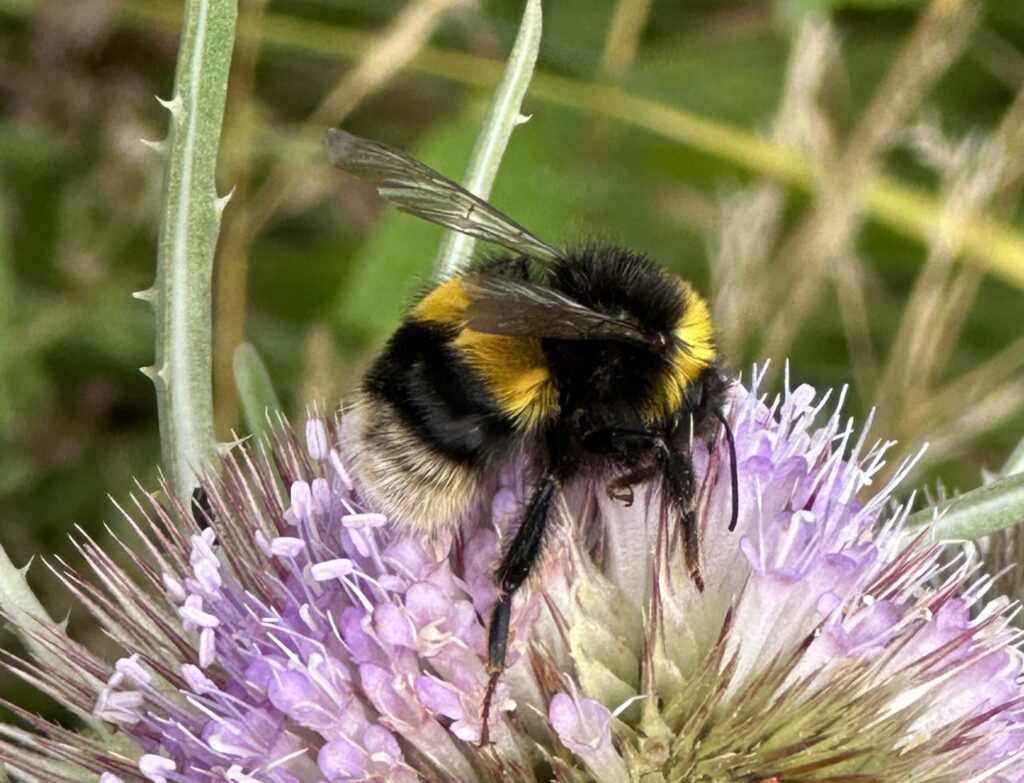
Pollinators are animals that transfer pollen from one flower to another, allowing plants to produce seeds and fruit.
In UK gardens, important pollinators include:
- Bumblebees
- Honeybees
- Solitary bees
- Butterflies
- Moths
- Hoverflies
- Beetles
Different pollinators are attracted to different flower shapes, colours and scents, so planting a wide range of flowers is one of the best ways to support them.
Why Are Pollinators Important?
Pollinators are vital for both wildlife and food production.
Many garden crops rely heavily on insect pollination.
These include:
- Apples
- Pears
- Strawberries
- Raspberries
- Blackberries
- Courgettes
- Pumpkins
- Squash
- Runner beans
A garden that attracts plenty of pollinating insects can therefore help improve harvests as well as support biodiversity.
Pollinators are also part of the wider garden food chain, providing food for birds and other wildlife.
How to Attract Pollinators to Your Garden
The most important thing you can do is provide a continuous supply of flowers.
Try to grow plants that flower during different seasons.
Aim for:
Early spring flowers for insects emerging from winter.
Summer flowers when pollinator activity is at its highest.
Late summer and autumn flowers when natural food sources begin becoming scarcer.
Even a few pots filled with pollinator-friendly plants can help.
Lavender
Lavender is one of the classic plants for attracting pollinators.
During summer, its purple flowers can become covered with bees.
Lavender prefers:
- Full sun
- Free-draining soil
- Relatively dry conditions once established
It works particularly well along paths, around patios and in Mediterranean-style borders.
Lavender is also suitable for containers, making it useful for smaller gardens.
Avoid planting lavender in constantly wet soil because the roots can rot.
Buddleia
Often called the butterfly bush, buddleia is famous for attracting butterflies.
Its long flower clusters produce plenty of nectar and can attract species such as peacock, red admiral and small tortoiseshell butterflies.
Buddleia generally prefers:
- Full sun
- Well-drained soil
- Plenty of space
Some varieties become large shrubs, but compact varieties are available for smaller gardens and containers.
Regular pruning helps keep plants under control and encourages fresh flowering growth.
Verbena Bonariensis
Verbena bonariensis is one of the best plants for creating a pollinator-friendly border.
Tall, thin stems carry clusters of small purple flowers that are frequently visited by butterflies and bees.
One of its biggest advantages is its airy growth habit.
The stems are tall but relatively sparse, meaning you can see through the plant and grow shorter flowers underneath it.
It also flowers over a long period, often continuing well into autumn.
Salvia
Salvias are excellent plants for pollinators.
Their tubular flowers are particularly attractive to bees, and many varieties flower continuously for months.
Popular colours include:
- Purple
- Blue
- Pink
- Red
- White
Salvias generally prefer sunny, well-drained positions.
Many will continue flowering if you regularly remove faded blooms.
There are both hardy and tender varieties, so check the requirements before planting.
Foxgloves
Foxgloves are particularly popular with bumblebees.
Their tall spikes contain rows of tubular flowers perfectly shaped for larger bees to crawl inside.
Foxgloves prefer:
- Partial shade or sun
- Moist but well-drained soil
- Woodland-style borders
Many varieties are biennial, producing leaves during their first year and flowers during their second.
Once established, foxgloves will often self-seed naturally around the garden.
Alliums
Ornamental alliums produce spectacular globe-shaped flower heads made up of dozens of individual flowers.
This creates a large feeding platform for bees and other insects.
Alliums flower mainly during late spring and early summer, helping bridge the gap between early spring bulbs and summer perennials.
Plant the bulbs during autumn in sunny, well-drained soil.
They work particularly well among ornamental grasses and perennial borders.
Catmint
Catmint, or Nepeta, is another excellent choice for bees.
Its soft blue-purple flowers appear over a long period and can attract large numbers of pollinators.
It is also:
- Drought tolerant once established
- Low maintenance
- Excellent for edging paths
- Suitable for sunny borders
Cutting the plant back after the first main flush of flowers can encourage another round of blooms later in the season.
Echinacea
Echinacea, commonly known as coneflower, produces large daisy-like flowers with prominent central cones.
These flowers provide easy access to nectar and pollen for bees and butterflies.
Echinacea flowers during summer and often continues into early autumn.
Plants prefer a sunny position and reasonably well-drained soil.
Leave some seed heads on the plants after flowering because birds may feed on them later in the year.
Sedum
Sedums, particularly upright varieties often known as Hylotelephium, are extremely valuable late-season plants for pollinators.
Their broad flower heads produce masses of tiny nectar-rich flowers.
They usually begin blooming during late summer and can continue well into autumn.
At a time when many other garden plants have finished flowering, sedums can become covered with bees and butterflies.
They are also drought tolerant and easy to grow.
Cosmos
Cosmos are brilliant annual flowers for pollinators.
They produce open, daisy-shaped flowers that allow insects easy access to nectar.
Cosmos are incredibly easy to grow from seed and flower for months if regularly deadheaded.
They prefer:
- Full sun
- Free-draining soil
- Regular deadheading
They work beautifully in vegetable gardens as well as flower borders.
Marigolds
Marigolds are useful plants for both pollinators and vegetable gardens.
Their brightly coloured flowers attract insects throughout summer.
French marigolds are particularly popular around vegetable beds, greenhouses and containers.
They are easy to grow from seed and continue flowering until colder autumn weather arrives.
Avoid heavily double-flowered varieties if your main aim is feeding pollinators, as insects can sometimes struggle to reach the nectar.
Sunflowers
Sunflowers provide an enormous amount of food from a single flower head.
What appears to be one giant flower is actually made up of hundreds of individual flowers.
Bees visit them for nectar and pollen, while birds can later eat the developing seeds.
Sunflowers come in many sizes, from compact varieties suitable for containers to enormous plants several metres tall.
Growing several different varieties can create a spectacular pollinator-friendly display.
Cornflowers
Cornflowers are easy annual plants with beautiful blue flowers.
They are particularly attractive to bees and other beneficial insects.
Sow them directly into well-prepared soil during spring or autumn.
Cornflowers work wonderfully in:
- Wildlife gardens
- Cottage gardens
- Wildflower areas
- Vegetable gardens
They can also self-seed if some flower heads are allowed to mature.
Borage
If you grow vegetables, consider planting borage nearby.
Its striking blue star-shaped flowers are incredibly popular with bees.
Borage flowers for a long period and often produces new blooms quickly after older flowers are visited.
The plant can become fairly large and self-seeds enthusiastically, so give it enough room.
It is particularly useful around fruit and vegetable plots where increased pollinator activity can help crops.
Comfrey
Comfrey is another fantastic plant for bees.
Its clusters of bell-shaped flowers provide nectar during spring and early summer.
Comfrey is also useful for gardeners because its nutrient-rich leaves can be used to make homemade plant feed or added to compost.
However, established comfrey plants can become large, so choose their position carefully.
Thyme
Pollinator-friendly gardening does not have to mean filling every available space with ornamental flowers.
Many herbs are excellent for bees when allowed to flower.
Thyme produces masses of tiny flowers that attract bees and hoverflies.
It thrives in:
- Sunny positions
- Containers
- Gravel gardens
- Raised beds
- Dry borders
Allow at least some of your thyme plants to flower instead of continually harvesting them.
Rosemary
Rosemary can provide flowers relatively early in the year.
This makes it particularly valuable for bees emerging on warm spring days when relatively few other plants are flowering.
Rosemary prefers sunny, sheltered conditions and well-drained soil.
It is another great choice for containers and herb gardens.
Oregano
Oregano is one of those plants that seems almost irresistible to insects once it begins flowering.
The clusters of small flowers attract bees, butterflies and hoverflies.
If you grow oregano as a culinary herb, simply allow some stems to flower.
You get a useful kitchen herb and a valuable pollinator plant from the same space.
Chives
Chives are another edible plant that is fantastic for pollinators.
Their round purple flower heads are regularly visited by bees.
Rather than removing all the flowers, leave some in place.
Chives are incredibly easy to grow and work well in:
- Herb gardens
- Vegetable beds
- Containers
- Border edges
You can divide established clumps every few years to create additional plants.
Fruit Trees
Apple, pear, plum and cherry trees can provide enormous amounts of pollen and nectar when they flower in spring.
Even a small fruit tree can become covered in bees during blossom season.
Fruit trees offer the added advantage of producing food for you later in the year.
If you only have a small garden, look for dwarf or patio varieties.
Hawthorn
Native hedging plants can be extremely valuable to pollinators.
Hawthorn produces masses of white flowers during spring, providing food for a wide range of insects.
Later in the year, the berries provide another food source for birds.
A mixed native hedge containing flowering shrubs can support far more wildlife than a solid fence.
Ivy
Ivy sometimes receives a bad reputation in gardens, but mature ivy is an incredibly valuable wildlife plant.
Its flowers appear relatively late in the season, often during autumn when fewer other nectar sources are available.
Bees, hoverflies and other insects can gather around flowering ivy in huge numbers.
Its berries also provide food for birds later in winter.
If you have room to allow some ivy to mature and flower, it can be one of the most useful late-season plants in the garden.
Crocuses
Crocuses are particularly important early in the season.
On mild late-winter or early-spring days, bees may emerge searching for food.
Crocus flowers can provide a valuable source of pollen and nectar when little else is blooming.
Plant crocus bulbs in autumn.
They can be grown in:
- Lawns
- Borders
- Containers
- Beneath trees
Planting large groups creates both a better display and a more useful food source.
Snowdrops
Snowdrops are another useful early flowering plant.
Although they flower when insect activity is relatively low, bees may visit them during warmer winter and early spring days.
Growing a mixture of snowdrops, crocuses and other early bulbs can help extend the season of food available to pollinators.
Best Plants for Pollinators by Season
One of the best ways to support pollinators is to make sure something is flowering throughout as much of the year as possible.
Early Spring
Try growing:
- Crocuses
- Snowdrops
- Rosemary
- Hellebores
- Fruit tree blossom
Late Spring and Early Summer
Good choices include:
- Foxgloves
- Alliums
- Comfrey
- Chives
- Hardy geraniums
Summer
Plant:
- Lavender
- Salvias
- Cosmos
- Sunflowers
- Marigolds
- Borage
- Catmint
Late Summer and Autumn
Provide late-season food with:
- Verbena bonariensis
- Sedum
- Echinacea
- Oregano
- Buddleia
- Ivy
Having flowers available across several seasons is much more valuable than planting a large number of plants that all flower at the same time.
Choose Single Flowers Where Possible
Not every flower is equally useful to pollinators.
Highly bred double flowers can contain so many petals that bees and butterflies struggle to reach the centre.
Some varieties may also produce very little nectar or pollen.
Single and open flowers generally provide easier access.
Look for simple flower shapes such as:
- Daisy-shaped flowers
- Umbel-shaped flowers
- Open cups
- Spikes
- Tubular flowers
Growing several different shapes will attract a wider range of pollinators.
Plant Flowers in Groups
Instead of planting one pollinator-friendly flower here and another at the opposite end of the garden, try planting them in groups.
Large patches are easier for insects to spot and provide more food without requiring pollinators to travel as far between flowers.
Even three or five plants of the same variety planted together can create a useful feeding area.
Grow Native Plants
Native wildflowers can be particularly valuable because local insects have evolved alongside them.
Useful options include:
- Oxeye daisy
- Red campion
- Wild marjoram
- Knapweed
- Yarrow
- Primrose
- Foxglove
You do not need to turn the entire garden into a wildflower meadow.
Adding a small wildlife border or allowing part of the lawn to grow longer can still provide valuable habitat.
Let Part of Your Lawn Grow Longer
A closely mown lawn provides relatively little food for pollinators.
Consider allowing part of it to grow longer.
Plants such as:
- Clover
- Daisies
- Dandelions
- Selfheal
may naturally appear.
These simple lawn flowers can provide useful feeding opportunities for bees and other insects.
You could mow paths through longer grass to keep the area looking intentional while leaving flowering sections untouched.
Are Dandelions Good for Pollinators?
Yes.
Dandelions can provide useful food for insects, particularly during spring.
Although many gardeners treat them as weeds, their flowers are visited by bees, hoverflies and other insects.
You do not need to allow dandelions to take over the garden, but leaving a few flowers is unlikely to cause any harm.
Provide Water for Pollinators
Pollinators need water as well as food.
A shallow dish filled with water can help, particularly during hot weather.
Add stones, pebbles or gravel that sit above the water surface so insects have somewhere safe to land.
Keep the water clean and top it up regularly.
Avoid Using Pesticides
One of the most important ways to protect pollinators is to minimise pesticide use.
Insecticides can harm beneficial insects as well as the pests you are trying to control.
Instead, try encouraging natural predators and using physical controls where practical.
For example:
- Remove pests by hand
- Use barriers or netting
- Encourage birds
- Attract hoverflies and ladybirds
- Keep plants healthy and well watered
A garden with a healthy range of wildlife often becomes more balanced over time.
Create Nesting Places for Bees
Food is only one part of a pollinator-friendly garden.
Some insects also need places to nest and overwinter.
Solitary bees may use hollow stems and small cavities.
You can help by:
- Leaving some hollow plant stems over winter
- Providing areas of bare ground
- Creating log piles
- Installing suitable bee nesting blocks
- Avoiding excessive autumn tidying
Not every corner of the garden needs to be perfectly neat.
Don't Cut Everything Back in Autumn
Leaving some plants standing through winter can provide valuable shelter.
Hollow stems may contain overwintering insects, while seed heads can feed birds.
You can always cut old growth back in spring once temperatures begin rising.
This approach also adds structure and interest to winter borders.
Can You Attract Pollinators to a Small Garden?
Absolutely.
You do not need a large garden.
Pollinator-friendly plants can be grown in:
- Window boxes
- Hanging baskets
- Patio containers
- Raised beds
- Balcony planters
A container filled with lavender, thyme, oregano and chives can provide food for numerous bees throughout the season.
Even a few nectar-rich plants are better than none.
Best Pollinator Plants for Pots
If space is limited, try:
- Lavender
- Thyme
- Chives
- Oregano
- Compact buddleia
- Salvia
- Catmint
- Marigolds
- Cosmos
Choose a large enough container and make sure it has good drainage.
Growing several plants together can create a miniature pollinator garden on a patio or balcony.
Grow Flowers in Your Vegetable Garden
Adding flowers to vegetable beds is an easy way to increase pollinator activity around your crops.
Good options include:
- Borage
- Marigolds
- Calendula
- Nasturtiums
- Cosmos
- Sunflowers
These can create a colourful vegetable garden while bringing bees and other beneficial insects closer to flowering crops such as courgettes, squash, beans and fruit.
A Simple Pollinator-Friendly Garden Plan
You do not need dozens of different plants to get started.
A simple border might include:
Spring: crocuses and alliums.
Early summer: foxgloves and catmint.
Summer: lavender, salvia and borage.
Late summer: verbena and echinacea.
Autumn: sedum and flowering ivy nearby.
This relatively simple combination provides flowers across much of the growing season.
Top Tips for Attracting More Pollinators
For a garden that attracts more bees, butterflies and other beneficial insects:
- Grow flowers from early spring until autumn.
- Choose nectar and pollen-rich plants.
- Grow several different flower shapes.
- Plant flowers in groups.
- Include native plants.
- Allow some herbs to flower.
- Let part of your lawn grow longer.
- Provide shallow drinking water.
- Avoid unnecessary pesticide use.
- Leave some stems and seed heads over winter.
- Create nesting and shelter areas.
- Grow pollinator plants in vegetable beds.
Final Thoughts
Attracting pollinators to your garden does not require a complicated planting scheme.
Start by choosing a few nectar-rich plants such as lavender, salvia, verbena, borage and sedum, then gradually add plants that flower at different times of year.
Early flowers help insects emerging from winter, summer flowers provide food during peak activity and late-flowering plants such as sedum and ivy offer vital nectar as autumn approaches.
Most importantly, allow your garden to be slightly less tidy.
A few dandelions in the lawn, flowering herbs, seed heads left over winter and a quiet pile of logs can all contribute to a healthier garden ecosystem.
The reward is a garden buzzing with bees, visited by butterflies and filled with far more life — while your fruit and vegetable plants may benefit from improved pollination at the same time.