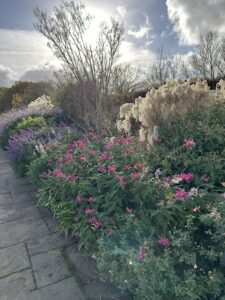
Best Spring Bulbs to Plant in Autumn
 GardeningOwl
Discover the best spring bulbs to plant in autumn, including daffodils, tulips, crocuses, alliums and more, plus tips on when and how to plant them.
Autumn might feel like the garden is beginning to wind down, but it is actually one of the best times to start planning ahead. A little bulb planting now can reward you with months of colour once winter finally loosens its grip.
From the first crocuses appearing through cold soil to towering alliums in late spring, planting bulbs in autumn is one of the easiest ways to guarantee a colourful garden the following year.
If you're wondering which ones are worth making room for, here are some of the best spring bulbs to plant in autumn, along with a few tips to help them thrive.
Why Plant Spring Bulbs in Autumn?
Most spring-flowering bulbs need a period of cold weather before they will flower properly. Planting them during autumn allows the bulbs to establish roots while the soil is still relatively warm, before remaining dormant through the coldest part of winter.
Once temperatures begin to rise again, they are ready to burst into growth.
Bulbs are also wonderfully low maintenance. Plant them once and many varieties will return year after year, often multiplying as they go.
When Should You Plant Spring Bulbs?
Most spring bulbs can be planted from September to November, although the exact timing varies slightly depending on the variety.
Daffodils, crocuses and hyacinths are best planted during September and October if possible.
Tulips are slightly different. They can benefit from being planted later, usually during October or November, once the soil has cooled.
Don't panic if a forgotten packet of bulbs turns up in the shed in December. If the ground isn't frozen or waterlogged, it is usually still worth planting them rather than leaving them in the packet.
1. Daffodils
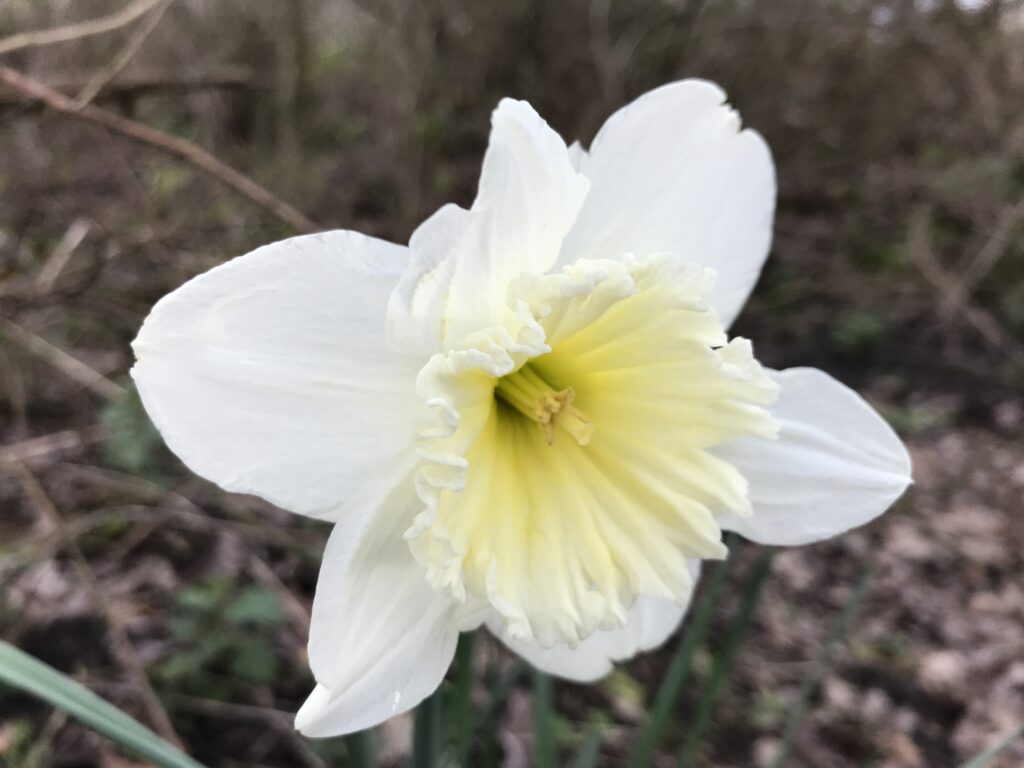
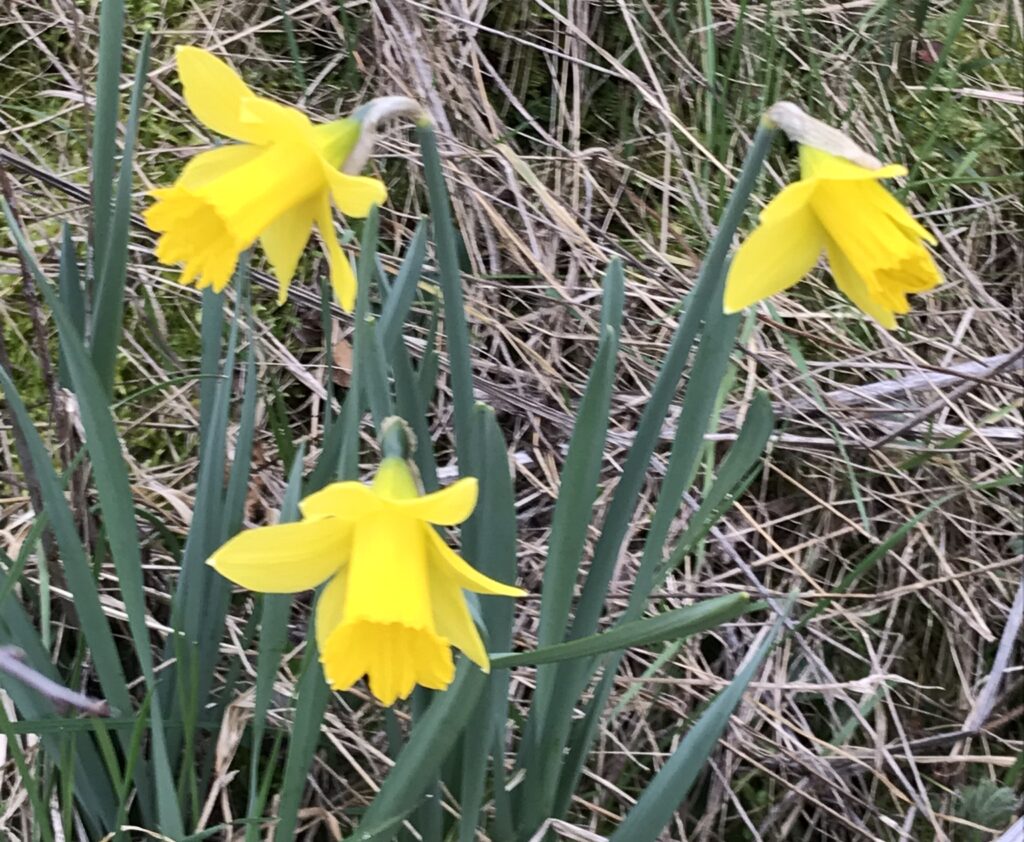
Few flowers announce the arrival of spring quite as cheerfully as daffodils.
They're reliable, easy to grow and available in everything from classic yellow trumpets to delicate white and peach varieties.
Daffodils work particularly well planted beneath deciduous trees, through lawns or in generous groups through borders.
Good daffodil varieties to try
'Tête-à-Tête' is a compact variety that's perfect for pots and the front of borders.
'Thalia' produces elegant white flowers and looks particularly good in more natural planting schemes.
'February Gold' is an early flowering variety that can provide welcome colour towards the end of winter.
'Actaea' has white petals with a small orange-centred cup and a lovely fragrance.
Daffodils will usually come back reliably each year and are also generally avoided by squirrels and other hungry garden visitors.
2. Tulips
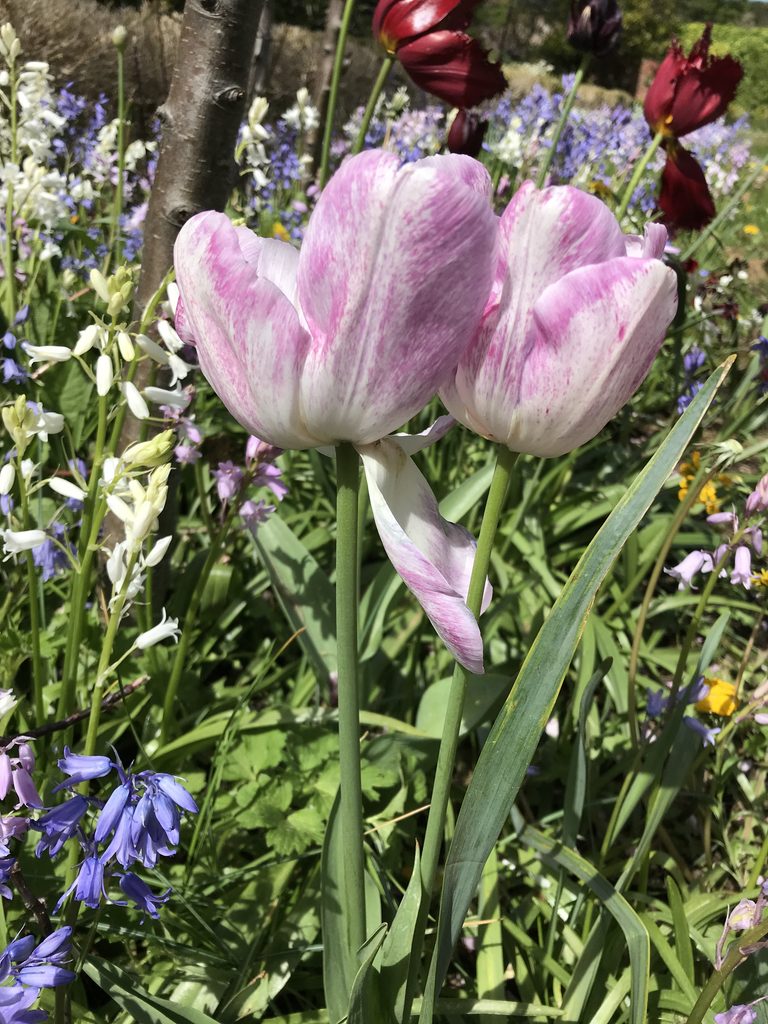
Tulips offer perhaps the widest choice of colours and shapes of any spring bulb.
There are elegant lily-flowered tulips, frilly parrot varieties, huge double flowers and simple classic forms.
They are brilliant for containers, formal displays and mixed borders.
Unlike many other bulbs, tulips are often best planted slightly later in autumn when the soil is cooler.
Tulip varieties worth growing
'Queen of Night' is famous for its almost black-purple flowers.
'Angelique' produces soft pink double blooms that look almost like peonies.
'Ballerina' has elegant orange flowers and a light fragrance.
'Spring Green' is a beautiful white tulip marked with fresh green.
For maximum impact, avoid planting tulips one at a time. A generous group of ten, twenty or more bulbs will create a much stronger display.
3. Crocuses
Crocuses are among the earliest flowers to appear in spring and can sometimes emerge while winter still seems firmly in charge.
Their small flowers are particularly valuable because they provide an early source of food for bees and other pollinating insects.
Crocuses are ideal for naturalising through grass, beneath trees or along the front of borders.
Try mixing purple, white and yellow varieties together for an informal spring display.
4. Alliums
If you want something with a little more drama, plant alliums.
Their tall stems and globe-shaped flower heads appear later in spring and early summer, creating striking punctuation marks through borders.
They're also enormously popular with bees.
Alliums to look out for
Allium 'Purple Sensation' is one of the most reliable varieties and produces deep purple flower heads.
Allium 'Globemaster' produces enormous spherical flowers that can become a real feature in a border.
Allium christophii has huge, airy flower heads made up of dozens of star-shaped purple flowers.
Leave the dried seed heads standing after flowering and they will continue adding structure to the garden.
5. Hyacinths
Hyacinths earn their place in the garden largely because of their fragrance.
A few plants near a doorway, patio or path can fill the surrounding area with scent during spring.
They are excellent in pots and window boxes and come in shades including blue, purple, pink, white and cream.
Plant them somewhere you regularly walk past so you can enjoy their perfume.
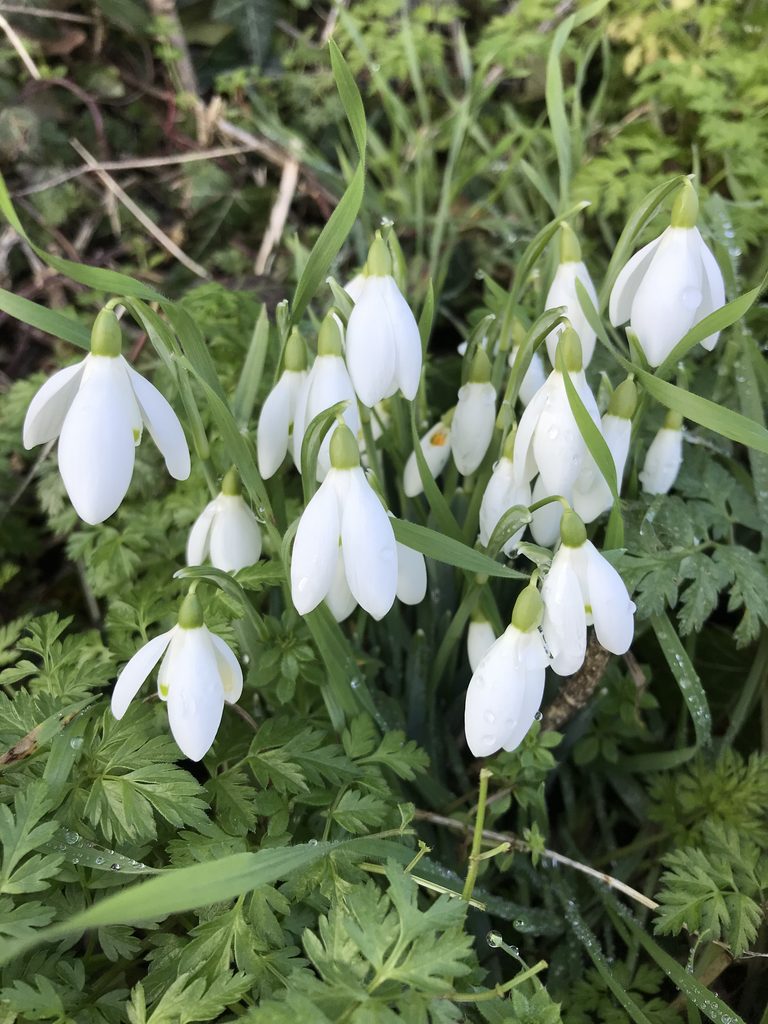
6. Snowdrops
Snowdrops are one of the most welcome sights in the gardening calendar.
Their delicate white flowers often appear in January and February, sometimes pushing through frost or even snow.
They prefer partial shade and are particularly effective planted beneath deciduous trees and shrubs.
Snowdrops can be grown from dry bulbs in autumn, although gardeners often find they establish more reliably when bought and planted "in the green" after flowering.
7. Grape Hyacinths
Grape hyacinths, or muscari, produce small spikes of deep blue flowers during spring.
They're easy to grow and will happily multiply over time.
Because they spread readily, they're excellent for creating carpets of colour beneath trees or along border edges.
They also look particularly good planted alongside yellow daffodils.
8. Iris reticulata
These small early-flowering irises are easy to overlook when buying bulbs, but they are well worth growing.
They produce beautifully detailed flowers in shades of blue, purple and yellow, often appearing during February and March.
Their compact size makes them particularly suitable for pots, gravel gardens and the front of sunny borders.
9. Fritillaries
Fritillaries offer something a little different from the traditional spring bulb display.
Snake's head fritillary, Fritillaria meleagris, produces delicate chequered flowers in purple or white.
It prefers slightly damp conditions and looks particularly beautiful naturalised through grass.
At the other end of the scale is Fritillaria imperialis, or crown imperial, which produces tall stems topped with dramatic orange, yellow or red flowers.
10. Camassias
Camassias are excellent bulbs for gardeners who want to extend the spring display into May and early June.
Their tall spikes of star-shaped flowers usually appear in blue or white and work wonderfully in relaxed, naturalistic planting schemes.
Unlike many bulbs, camassias are also happy in soil that remains slightly moist.
They can gradually form impressive clumps over the years.
How to Plant Spring Bulbs
One of the easiest rules to remember is to plant bulbs at approximately two to three times their own depth.
Place the bulb with the pointed end facing upwards and cover it with soil.
Don't worry too much if you're unsure which way up a small bulb goes. Most will eventually find their way towards the surface.
Bulbs generally dislike sitting in permanently waterlogged soil, so good drainage is important.
If your soil is heavy, mixing a little horticultural grit into the planting hole can help.
Plant Bulbs in Groups
One of the biggest differences between an average bulb display and a really impressive one is simply the number of bulbs used.
Instead of planting individual bulbs dotted around a border, plant them in groups.
Five is better than one.
Ten is better than five.
And if you've ever wondered how those spectacular displays in parks and gardens are created, the answer is usually: lots and lots of bulbs.
For a natural effect, scatter a handful of bulbs onto the soil and plant them where they land.
Growing Spring Bulbs in Pots
You don't need a large garden to enjoy spring bulbs.
Most varieties grow extremely well in containers.
Tulips, daffodils, crocuses, hyacinths and miniature irises are all excellent choices.
For an especially long display, try creating a bulb lasagne.
This involves planting several layers of bulbs in the same container, usually with the largest and latest flowering bulbs at the bottom and smaller, earlier flowering bulbs nearer the top.
For example:
- Bottom layer: tulips
- Middle layer: daffodils
- Top layer: crocuses or miniature irises
The result can be several months of flowers from a single pot.
Should You Feed Spring Bulbs?
Bulbs contain their own supply of stored energy, so newly planted bulbs usually don't need much additional feeding.
Once established, however, a little general-purpose fertiliser or tomato feed after flowering can help the bulb replenish its reserves for the following year.
What Should You Do After Bulbs Have Flowered?
It can be tempting to remove fading foliage immediately after flowering, but try to resist.
The leaves continue producing energy that is stored inside the bulb ready for next year's flowers.
Allow the foliage to turn yellow and die back naturally before removing it.
You can remove spent flowers earlier if you prefer, particularly from tulips and daffodils.
Which Spring Bulbs Are Best for Bees?
Early spring flowers can be particularly important for pollinators because relatively few plants are flowering at that time of year.
Some of the best spring bulbs for bees include:
- Crocuses
- Grape hyacinths
- Alliums
- Snowdrops
- Scillas
- Camassias
Planting several varieties that flower at different times will provide a longer supply of nectar and pollen.
Best Spring Bulbs for Naturalising
If you'd like your bulbs to return and gradually spread, choose varieties suited to naturalising.
Some of the best include:
- Daffodils
- Crocuses
- Snowdrops
- Grape hyacinths
- Snake's head fritillaries
- Scillas
- Camassias
Given the right conditions, these can multiply over time and create increasingly impressive displays.
Final Thoughts
Planting bulbs may not feel like the most exciting autumn gardening job when you're standing outside with muddy knees and cold fingers.
But come spring, you'll be extremely pleased you bothered.
Plant a mixture of early, mid-season and late-flowering varieties and you can enjoy colour from the first snowdrops of winter right through to the final alliums and camassias of late spring.
And the wonderful thing about bulbs is that they always seem to appear just when the garden needs them most.
So grab a hand bulb planter or standing bulb planter, choose a patch of empty soil and start digging. Your spring garden will thank you for it.
Click here to view bulb planters
Frequently Asked Questions
What are the best spring bulbs to plant in autumn?
Daffodils, tulips, crocuses, hyacinths, alliums, muscari, miniature irises, fritillaries and camassias are all excellent choices for autumn planting.
What month is best for planting spring bulbs?
September and October are ideal for many spring bulbs. Tulips are often planted slightly later, during October or November.
How deep should spring bulbs be planted?
As a general rule, plant bulbs at around two to three times the depth of the bulb itself.
Can I plant spring bulbs in November?
Yes. November is still an excellent time to plant many spring bulbs, particularly tulips.
Can I plant bulbs in pots?
Absolutely. Most spring bulbs perform very well in containers, making them ideal for patios, balconies and small gardens.
Do spring bulbs come back every year?
Many do. Daffodils, crocuses, snowdrops, muscari and alliums can return for many years if they're planted in suitable conditions and their foliage is allowed to die back naturally.