September Gardening
 GardeningOwl
What to Do in the Garden This Month
September is one of those months when the garden seems to have one foot in summer and the other firmly in autumn.
There can still be warm days, tomatoes are ripening, dahlias are flowering and courgettes may still be producing faster than you can use them. At the same time, evenings are getting cooler, leaves are beginning to fall and the garden is starting to slow down.
That makes September gardening a mixture of harvesting, tidying, planting and preparing for the months ahead.
There is plenty to do, but September is also a great month to enjoy the garden. The light is softer, the soil is usually still warm and cooler temperatures can make gardening much more comfortable than during the height of summer.
Here are some of the most useful jobs to tackle in the garden this September.
Keep Harvesting Your Fruit and Vegetables
September can be one of the busiest months in the vegetable garden.
If you have been growing your own produce this year, you may still be harvesting tomatoes, courgettes, runner beans, French beans, beetroot, carrots, potatoes, cucumbers, peppers and chillies.
Fruit trees can also be heavily laden with apples, pears and plums.
Try to harvest vegetables regularly rather than allowing them to become oversized or overripe.
Courgettes are a perfect example. Leave one hidden beneath the leaves for a few days and it can quickly turn into something resembling a marrow.
Runner beans and French beans also benefit from regular picking, which can encourage the plants to continue producing.
Keep an Eye on Your Tomatoes
Tomatoes can continue ripening well into September if the weather remains warm.
Keep picking ripe fruit and remove any damaged or diseased leaves.
As the month progresses, it is worth removing new tomato flowers and very small fruits that are unlikely to mature. This allows the plant to concentrate its remaining energy on ripening the tomatoes that are already developing.
If the weather turns cool and you are left with green tomatoes, don't worry.
Mature green tomatoes can be picked and brought indoors to ripen. Placing them near a ripe banana or apple can help because these fruits naturally release ethylene gas, which encourages ripening.
And if they refuse to turn red, there is always green tomato chutney.
What Can You Sow in September?
The vegetable-growing season is certainly not finished.
There are several crops you can sow in September, particularly hardy salads that enjoy cooler conditions.
Good choices include:
- Spinach
- Winter lettuce
- Rocket
- Mizuna
- Mustard leaves
- Corn salad
- Radishes
- Spring onions
Many of these can be grown in the ground, containers, a greenhouse or beneath cloches.
If you have an empty vegetable bed, sowing something now can keep it productive for much longer.
Plant Overwintering Onions
September is a good time to start planting overwintering onion sets.
These onions establish roots during autumn, survive the winter and begin growing strongly when temperatures rise again in spring.
Choose a sunny, well-drained area because onions do not enjoy sitting in cold, waterlogged soil.
Plant the sets with the pointed end facing upwards, leaving the very tip visible above the soil.
If birds keep pulling them out, cover the area temporarily with netting until the roots become established.
Think About Garlic
Autumn is also an excellent time to plant garlic.
Garlic actually benefits from a period of cold weather, which helps encourage the bulb to divide into separate cloves.
Choose garlic bulbs sold specifically for planting where possible.
Separate the bulb into individual cloves and plant them with the pointed end upwards.
September can be a good time to prepare the bed, particularly if you intend to plant your garlic later in autumn.
Start Planting Spring Bulbs
It may feel far too early to think about spring, but now is exactly the time to start.
September is ideal for planting many spring-flowering bulbs, including:
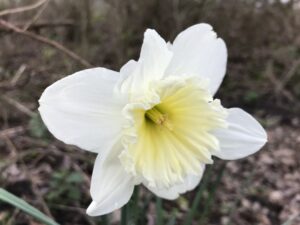
- Daffodils
- Crocuses
- Hyacinths
- Alliums
- Muscari
Planting bulbs now gives them time to establish roots before winter.
As a rough guide, bulbs should usually be planted at around two to three times their own depth.
Make sure the soil drains well, as bulbs are much more likely to rot if they spend winter sitting in wet ground.
Tulips can usually wait until later in autumn.
Divide Overgrown Perennials
If some of your perennial plants have become enormous, September is a great time to divide them.
Plants such as hostas, daylilies and hardy geraniums can gradually form large clumps. Eventually, the centre may become less productive.
Carefully lift the plant, divide the root ball into several healthy sections and replant them.
Not only does this rejuvenate the original plant, but you also end up with free plants for another part of the garden.
And free plants are rarely a bad thing.
Keep Deadheading Flowers
Don't give up on summer flowers just yet.
Dahlias, roses, cosmos, marigolds and many other plants can continue flowering well into autumn.
Removing faded flowers encourages many plants to produce additional blooms instead of putting their energy into making seeds.
That said, you do not need to deadhead absolutely everything.
Leaving a few seed heads provides food for birds later in the year and creates useful shelter for insects.
Collect Seeds for Next Year
September is a brilliant month for collecting your own seeds.
If you have plants that performed particularly well this year, saving their seed means you may be able to grow them again next season for free.
Some easy plants to collect seed from include:
- Marigolds
- Calendula
- Poppies
- Nigella
- Sweet peas
- Sunflowers
- Beans
Choose a dry day and wait until seed heads or pods have dried properly.
Store the seeds somewhere cool and dry, and remember to label them.
It is surprisingly easy to convince yourself you'll remember which mysterious envelope contains which seeds six months later.
You probably won't.
Give Your Lawn Some Attention
September is one of the best months of the year for lawn care.
The soil is still warm, but cooler temperatures and increased rainfall create excellent conditions for grass growth.
If your lawn has suffered during summer, now is the time to help it recover.
Scarify if Needed
Scarifying removes moss and excessive thatch from around the base of the grass.
For a small lawn, a spring-tine rake may be enough.
For larger lawns, a powered scarifier can save a considerable amount of effort.
The lawn may look worse immediately afterwards, but don't panic. Healthy grass should recover.
Aerate Compacted Areas
If your lawn has been heavily walked on during summer, the soil may have become compacted.
Push a garden fork into the lawn at regular intervals or use a lawn aerator.
This allows air and water to reach the roots more easily and can improve drainage.
Repair Bare Patches
Hot weather, drought, pets and heavy foot traffic can all leave bare areas.
September is a great time to sow grass seed because the soil remains warm enough for good germination.
Rake the damaged patch, loosen the surface soil, scatter fresh seed and keep it moist until the new grass establishes.
Overseed Thin Grass
If the lawn looks generally thin rather than containing individual bare patches, overseeding can help thicken it.
A denser lawn not only looks better but also leaves less space for moss and weeds.
Plant Trees and Shrubs
Autumn is one of the best planting seasons.
The soil still contains plenty of warmth, while cooler weather means new plants lose less water through their leaves.
That makes September a good month for planting many container-grown trees, shrubs and hardy perennials.
Water them thoroughly after planting and continue watering if conditions remain dry.
Roots can then begin establishing before winter arrives.
Clear Finished Vegetable Crops
Some summer crops will begin reaching the end of their lives this month.
Once beans, courgettes, peas and other vegetables have finished producing, remove the old plants.
Healthy material can usually go onto the compost heap.
However, plants badly affected by disease are best kept out of a normal home compost bin, particularly if the compost does not reach high temperatures.
Clearing old plants also helps expose perennial weeds and gives you space for autumn crops.
Sow Green Manure on Empty Beds
If you have vegetable beds that will remain empty over winter, consider sowing green manure.
Green manure plants help cover and protect bare soil.
Depending on the variety, they can help suppress weeds, reduce erosion and add organic matter when they are eventually dug or cut back into the soil.
It is a useful alternative to leaving vegetable beds completely bare for months.
Make Compost
September usually produces plenty of compostable garden waste.
Spent vegetable plants, grass clippings, soft prunings and early fallen leaves can all be useful additions to the compost heap.
Try to combine wetter, nitrogen-rich materials such as grass clippings with drier materials such as shredded cardboard and dry leaves.
A good mixture helps prevent the compost becoming a wet, unpleasant heap.
Start Making Leaf Mould
As leaves begin falling, try not to regard them simply as waste.
Fallen leaves can be turned into fantastic leaf mould.
Collect them into a wire cage, mesh container or even black bin bags with a few holes punched into them.
Allow the leaves to gradually break down.
Finished leaf mould makes an excellent soil conditioner and mulch and is particularly useful for improving soil structure.
Give the Greenhouse a Clean
As greenhouse crops begin finishing, take the opportunity to clear up.
Remove dead leaves, weeds, old pots and unwanted plant material.
Cleaning the greenhouse reduces places for pests to hide over winter and can lower the chances of disease carrying over into the following year.
Cleaning the glass is also worthwhile because plants will soon need every bit of available autumn and winter light.
Prepare Tender Plants for Colder Weather
September weather can be unpredictable.
Some years remain warm well into October, while others bring surprisingly chilly nights.
Keep an eye on the forecast and identify any tender plants that will eventually need protection.
This may include pelargoniums, tender salvias and more exotic container plants.
You do not necessarily need to move everything indoors immediately, but it is useful to have a plan before the first cold night arrives.
Don't Make the Garden Too Tidy
There is often a temptation to clear everything away as autumn approaches.
Try to resist doing too much.
Dead stems, fallen leaves, seed heads and small piles of logs can all provide shelter and food for wildlife.
Birds may eat seeds from old flower heads, while insects can overwinter inside hollow stems.
A garden does not need to look abandoned, but leaving a few deliberately untidy areas can make a significant difference to wildlife.
Help Wildlife Through Autumn
September is a good month to start preparing for the colder seasons.
You could:
- Leave a small log pile
- Create a pile of leaves in a quiet corner
- Keep bird feeders clean and topped up
- Provide fresh drinking water
- Leave seed heads on selected flowers
- Make sure hedgehogs can move between gardens
Once wildlife starts using piles of leaves or logs, avoid disturbing them unnecessarily.
My September Gardening Checklist
If you only have limited time in the garden this month, concentrate on these jobs:
- Keep harvesting vegetables and fruit.
- Pick tomatoes regularly.
- Sow hardy winter salads.
- Plant overwintering onion sets.
- Start planting spring bulbs.
- Divide overcrowded perennials.
- Collect seeds.
- Repair and overseed tired lawns.
- Clear finished vegetable crops.
- Plant trees, shrubs and perennials.
- Start collecting fallen leaves.
- Prepare tender plants for colder weather.
Enjoy the Garden Too
With a long list of September gardening jobs, it is easy to spend the entire month thinking about what needs doing next.
But September can also be one of the nicest times simply to be outside.
Late flowers are often full of bees and butterflies, vegetable plots are overflowing with produce and the first autumn colours are beginning to appear.
So yes, plant the bulbs, repair the lawn and clear the vegetable beds.
But make sure you occasionally put the tools down and enjoy what you have grown too.
Final Thoughts on September Gardening
September is all about transition.
Summer crops are reaching their peak or beginning to finish, while autumn planting and garden preparation are getting underway.
Good September gardening doesn't mean clearing everything away and shutting the garden down for winter. In many ways, it is the beginning of the next gardening season.
Plant bulbs now and you are preparing for spring. Sow winter salads and you can continue harvesting through the colder months. Repair your lawn now and it will be in much better shape next year.
A little work during September can make autumn easier, help wildlife through the colder months and give your garden a fantastic head start when spring eventually returns.