Garden in August
 GardeningOwl
25 Things to Do in the Garden in August
August is one of the busiest and most rewarding months in the gardening calendar.
Vegetable plots are producing generous harvests, borders are full of colour and fruit trees are beginning to ripen. At the same time, warm weather, dry soil, weeds and fading flowers can quickly make the garden look tired.
The main gardening jobs for August include regular watering, harvesting crops, deadheading flowers, pruning summer-fruiting plants and preparing for autumn.
This practical August garden checklist will help you keep your outdoor space healthy, productive and attractive throughout late summer.
August Garden Checklist
The most important things to do in the garden in August are:
- Water deeply during dry weather.
- Harvest fruit and vegetables regularly.
- Deadhead flowers to encourage more blooms.
- Feed container plants and hungry crops.
- Prune summer-flowering shrubs after flowering.
- Cut back summer-fruiting raspberries.
- Sow salads and fast-growing vegetables.
- Collect seeds from healthy plants.
- Keep ponds topped up.
- Prepare beds for autumn planting.
1. Water Plants Thoroughly
August can bring hot weather and long dry periods, so watering is often the most important job of the month.
Water deeply and less frequently rather than applying a small amount every day. Deep watering encourages roots to travel further into the soil, helping plants cope better with dry conditions.
Concentrate on:
- Newly planted trees and shrubs
- Container plants
- Hanging baskets
- Tomatoes and cucumbers
- Courgettes, pumpkins and squash
- Beans
- Leafy vegetables
- Fruit trees carrying developing crops
Water early in the morning or during the evening to reduce evaporation. Direct the water towards the soil rather than soaking the leaves.
2. Check Containers Every Day
Pots, hanging baskets and window boxes can dry out rapidly in warm weather.
Check the compost daily by pushing a finger below the surface. Water thoroughly when the upper layer feels dry, allowing excess water to drain away.
Very small containers may need watering more than once during exceptionally hot days.
Move vulnerable pots away from heat-reflecting walls where practical, and group containers together to create a slightly more humid environment.
3. Feed Flowering Container Plants
Plants grown in containers rely on a limited supply of nutrients.
Continue feeding flowering pots, hanging baskets and window boxes with a suitable liquid fertiliser. Follow the product instructions carefully, as overfeeding can damage roots and produce excessive soft growth.
Tomatoes, peppers, aubergines and cucumbers also benefit from regular feeding while they are flowering and developing fruit.
Avoid feeding plants growing in very dry compost. Water them first, then apply fertiliser once the root ball is evenly moist.
4. Deadhead Flowers Regularly
Removing faded flowers prevents many plants from directing their energy into seed production. It can also encourage additional blooms and keep borders looking tidy.
Deadhead:
- Dahlias
- Cosmos
- Roses
- Pelargoniums
- Marigolds
- Sweet peas
- Bedding plants
- Repeat-flowering perennials
Use clean secateurs for thick stems and pinch off softer flowers with your fingers.
Leave some seed heads on plants such as sunflowers, teasels and echinacea if you want to provide food for birds later in the year.
5. Support Tall and Top-Heavy Plants
Heavy flowers, summer storms and strong winds can cause tall plants to lean or collapse.
Check dahlias, sunflowers, climbing beans and other tall plants. Add canes, stakes or supports before the stems are damaged.
Tie plants loosely with soft garden twine, leaving enough room for the stems to grow.
Existing ties should also be checked. Remove or loosen any that are beginning to cut into the plant.
6. Cut Back Tired Perennials
Some early-flowering perennials may look untidy by August.
Cut back yellowing or collapsed foliage where it is no longer contributing to the display. Remove diseased leaves and faded stems, but avoid stripping plants of healthy green growth.
Certain perennials may produce fresh foliage or a second flush of flowers after being cut back and watered.
Leave attractive seed heads in place where they provide structure, wildlife value or winter interest.
7. Prune Lavender After Flowering
Lavender can be lightly pruned when flowering begins to finish.
Remove the faded flower stems and trim the soft new growth to maintain a compact shape. Avoid cutting deeply into old, bare wood, as lavender may not regrow successfully from it.
Young plants can be shaped gently to encourage bushier growth.
Do not prune late-flowering lavender varieties until their display has ended.
8. Prune Wisteria
Summer pruning helps control wisteria and directs more of the plant’s energy towards flower bud development.
Cut the long, whippy side shoots produced during the current year back to several leaves from the main framework.
Remove unwanted shoots growing around windows, roofs, gutters and drainpipes.
Keep the main framework branches unless they are damaged, badly positioned or no longer required.
9. Trim Hedges Carefully
Many established hedges can receive a light trim during August.
Check carefully for active bird nests before starting. Nesting birds may still be using hedges during late summer, so delay cutting if any nest is occupied.
Remove only the soft outer growth and keep the hedge slightly wider at the bottom than at the top. This helps sunlight reach the lower branches.
Water newly planted hedges during dry weather.
10. Harvest Courgettes Regularly
Courgettes can grow from a suitable picking size into large marrows surprisingly quickly.
Harvest them when they are still young and tender. Regular picking encourages the plant to produce more fruit.
Check beneath the large leaves every few days, as courgettes can easily remain hidden.
Remove small fruits that turn yellow, soften or begin to rot. This is often caused by incomplete pollination or inconsistent watering rather than an infectious plant disease.
11. Pick Beans Frequently
Runner beans and French beans should be harvested regularly while the pods are young.
Frequent picking encourages further flowering and prevents pods from becoming tough and stringy.
Water plants deeply during dry periods, especially while flowers and pods are developing.
Remove damaged pods and check foliage for aphids, slugs and signs of fungal disease.
12. Harvest Tomatoes as They Ripen
Pick tomatoes once they develop their mature colour and begin to soften slightly.
Regular harvesting reduces the weight on the plant and allows you to spot damaged or diseased fruit early.
Remove yellow lower leaves that are touching the soil, but retain plenty of healthy foliage to support ripening.
Keep watering consistent. Allowing the compost or soil to become very dry and then soaking it heavily can contribute to split fruit and blossom end rot.
Towards the end of the month, remove newly forming flowers from outdoor tomato plants if they are unlikely to have enough time to produce ripe fruit.
13. Lift Onions and Shallots
Onions and shallots are usually ready for harvesting when the foliage begins to yellow and bend naturally.
Lift the bulbs carefully during dry weather and allow them to dry before storing.
Spread them in a warm, well-ventilated place where rain cannot reach them. Once the outer skins are papery and the necks are completely dry, remove loose soil and store the bulbs in nets, trays or strings.
Do not store bulbs that are soft, damaged or showing signs of rot.
14. Harvest Maincrop Potatoes When Ready
Maincrop potatoes may begin reaching harvest size during late summer, depending on the variety and planting date.
Wait until the foliage starts to yellow and die back before lifting potatoes intended for storage.
Choose a dry day and use a garden fork carefully to avoid spearing the tubers.
Allow the skins to dry briefly before storing them in a cool, dark and frost-free place. Do not wash potatoes before storage, as additional moisture can encourage decay.
Discard any green or badly damaged tubers.
15. Pick Soft Fruit and Tree Fruit
Raspberries, blackberries, plums, early apples and other fruit may be ready to harvest during August.
Pick ripe fruit regularly and remove any mouldy or damaged produce.
Handle soft fruit carefully and use it quickly, as it does not store for long.
Check plum trees frequently because ripe fruit can fall or split. Support heavily laden branches where necessary.
Fruit that is beginning to ripen may need protection from birds using suitable netting. Ensure netting is securely fixed and checked regularly so wildlife cannot become trapped.
16. Prune Summer-Fruiting Raspberries
After summer-fruiting raspberry canes have finished cropping, cut the old brown canes down to ground level.
Leave the fresh green canes, as these will produce next year’s crop.
Tie the strongest new canes to their supports and remove weak, damaged or overcrowded growth.
Autumn-fruiting raspberries are pruned differently and should not normally be cut down in August while they are preparing to crop.
17. Prune Stone Fruit in Summer
Cherries, plums, gages, peaches and apricots are usually pruned during dry summer weather rather than winter.
Remove dead, damaged, crossing or badly positioned branches. Thin overcrowded growth carefully to improve airflow and allow more light into the canopy.
Avoid removing large amounts at once.
Use clean, sharp tools and make neat cuts. Summer pruning reduces the risk of certain diseases entering through fresh pruning wounds.
18. Sow Salad Leaves
August is a useful month for sowing fast-growing salad crops.
Depending on local conditions, suitable crops may include:
- Lettuce
- Rocket
- Mustard leaves
- Mizuna
- Spinach
- Radishes
- Spring onions
- Oriental salad mixes
Sow small amounts every couple of weeks rather than planting everything at once.
Keep the seedbed consistently moist during germination. In hot weather, a lightly shaded area may be more successful than a sunny, exposed bed.
19. Sow Vegetables for Autumn and Winter
Several crops can be sown in August for harvesting later in the year or during the following spring.
Possible choices include:
- Winter lettuce
- Spring cabbage
- Turnips
- Radishes
- Spinach
- Pak choi
- Coriander
- Chard
- Spring onions
The best sowing time varies by location, weather and variety, so check the seed packet before sowing.
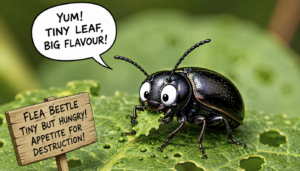
Protect young seedlings from slugs, snails, pigeons and flea beetles where necessary.
20. Plant Out Winter Brassicas
Young kale, cabbage, broccoli and other winter brassicas may be ready to move into their final positions.
Firm the soil around each plant because brassicas grow best when their roots are securely anchored.
Water thoroughly after planting and continue watering until the plants are established.
Use suitable protection against pigeons and cabbage white butterflies. Check the undersides of leaves regularly for eggs and caterpillars.
21. Control Weeds Before They Set Seed
Weeds compete with garden plants for moisture, nutrients and light.
Remove them before they flower and scatter seed around the garden. Hoe annual weeds during dry weather so that the exposed roots dry quickly.
Perennial weeds should be removed with as much of the root system as possible.
Take care when hoeing around courgettes, cucumbers and other shallow-rooted plants. Damaging their roots can increase water stress.
22. Top Up Mulch
Organic mulch helps the soil retain moisture, suppresses weeds and protects roots from extreme temperature changes.
Check the mulch around fruit trees, shrubs and vegetable plants. Top it up where the soil has become exposed.
Suitable materials include:
- Garden compost
- Well-rotted manure
- Leaf mould
- Compostable bark
- Straw around fruiting crops
Keep mulch away from the stems, trunks and crowns of plants to reduce the risk of rot.
Water dry soil before applying a fresh layer of mulch.
23. Care for the Lawn
Lawns may become dry, brown or slow-growing during August.
Raise the mower blades during hot or dry weather and avoid cutting the grass too short. Longer grass shades the soil and develops deeper roots.
Mow less frequently when growth slows.
Established lawns usually recover naturally when rain returns. Avoid applying high-nitrogen lawn feed during drought, as this can scorch the grass.
Leave small areas of longer grass where practical to provide shelter for insects and other garden wildlife.
24. Look After Garden Ponds
Warm weather increases evaporation and can reduce oxygen levels in ponds.
Top up the water gradually during dry periods, ideally using collected rainwater.
Remove some excess blanket weed by hand, but leave it beside the pond temporarily so small creatures can return to the water.
Keep part of the surface open and avoid removing too much plant growth at once.
Provide shallow water for birds, bees and other wildlife elsewhere in the garden, especially when natural water sources are limited.
25. Prepare for Autumn
August is a good time to begin planning autumn planting and seasonal changes.
Clear areas where crops have finished and remove weeds before they produce seed.
Make a note of gaps that could be filled with spring bulbs, shrubs, perennials or autumn vegetables.
You can also:
- Order spring-flowering bulbs.
- Prepare beds for autumn planting.
- Make compost from healthy garden waste.
- Clean empty pots and seed trays.
- Collect seeds from healthy plants.
- Take semi-ripe cuttings from suitable shrubs.
- Review which crops and flowers performed well.
- Plan next year’s crop rotation.
What Flowers Can You Plant in August?
Late summer can be a suitable time to plant container-grown perennials, provided the soil is not waterlogged or extremely dry.
Possible choices include:
- Echinacea
- Rudbeckia
- Sedum
- Japanese anemone
- Hardy geraniums
- Salvias
- Ornamental grasses
Water newly planted flowers thoroughly and continue checking them during dry weather.
August is also a good time to order spring bulbs, although many are planted later in autumn.
What Vegetables Can You Sow in August?
Depending on your location and the variety, vegetables that may be sown during August include:
- Lettuce
- Rocket
- Spinach
- Radishes
- Turnips
- Spring onions
- Pak choi
- Mustard greens
- Coriander
- Spring cabbage
Always check the instructions on the seed packet, as sowing dates vary between cultivars.
Common Garden Problems in August
Powdery mildew
Powdery mildew often appears on courgettes, pumpkins, cucumbers and other plants during late summer.
Remove badly affected leaves, improve airflow and keep the roots consistently watered. Avoid removing all the foliage, as the plant still needs healthy leaves to grow.
Blossom end rot
Dark, sunken patches on tomatoes, peppers and aubergines are often caused by blossom end rot.
Keep the soil evenly moist and avoid large changes between dry and saturated conditions. Affected fruit will not recover, but improving watering can protect later fruit.
Yellow or rotting courgettes
Small courgettes that turn yellow and rot are often poorly pollinated.
Remove affected fruit and encourage pollinating insects with nectar-rich flowers. Flowers can also be pollinated by hand using pollen from a freshly opened male flower.
Aphids
Check young shoots, bean plants and the undersides of leaves for clusters of aphids.
Small infestations can often be removed by hand or dislodged with water. Encourage natural predators such as ladybirds, hoverflies and lacewings.
Slugs and snails
Continue checking vulnerable seedlings and leafy vegetables for damage.
Water in the morning rather than late evening, remove hiding places near young plants and use wildlife-friendly control methods where necessary.
Frequently Asked Questions
Is August too late to plant vegetables?
No. Several fast-growing salads, radishes, turnips, spinach and overwintering vegetables can still be sown during August.
Success depends on the crop, variety and local growing conditions.
Should I feed plants in August?
Continue feeding flowering containers and productive crops such as tomatoes, peppers and cucumbers.
Avoid giving high-nitrogen fertiliser to shrubs and hardy perennials late in the season, as it can encourage soft growth that may be damaged by colder weather.
Can I prune shrubs in August?
Some summer-flowering shrubs, lavender, wisteria and fruiting plants can be pruned in August.
However, pruning requirements vary between species. Avoid cutting shrubs that are forming flower buds for the following year unless you understand their growth cycle.
Should I water the garden every day in August?
Not every plant needs daily watering.
Established plants in the ground usually benefit from deep, occasional watering, while containers and hanging baskets may need daily attention during hot weather.
Check the soil before watering rather than following a fixed schedule.
Can I cut the lawn during hot weather?
Yes, but raise the cutting height and mow less frequently.
Avoid cutting drought-stressed grass very short. Allow clippings to fall back onto the lawn when they are short and free from weeds or disease.
What should I do with empty vegetable beds?
Remove weeds and old crop debris, then sow a quick-growing vegetable, plant an autumn crop or cover the soil with compost or another suitable mulch.
Avoid leaving fertile soil bare for long periods.
Final Thoughts
There are plenty of things to do in the garden in August, but regular harvesting, watering and deadheading should be your main priorities.
Take time to enjoy the results of your earlier work while keeping an eye out for dry soil, pests and plant diseases. A little maintenance now will keep the garden productive throughout late summer and make the transition into autumn much easier.
By harvesting crops regularly, caring for containers, sowing autumn vegetables and preparing beds for the next season, you can keep your garden healthy, colourful and full of life well beyond August.