Organic Pest Control: The Complete Guide to Protecting Your Garden Naturally
Healthy gardens don't happen by accident—they're created by working with nature rather than against it. Organic pest control is a sustainable gardening approach that encourages healthy soil, beneficial insects, companion planting, and natural solutions to reduce pest problems without relying on synthetic pesticides.
Whether you're growing vegetables, herbs, fruit, or ornamental flowers, organic pest control helps create a balanced ecosystem where plants thrive, pollinators flourish, and pests are kept under control naturally.
In this comprehensive guide, you'll discover how to identify common garden pests, prevent infestations before they begin, and use proven organic methods to protect your garden throughout the growing season.
Table of Contents
- What Is Organic Pest Control?
- Why Choose Organic Gardening?
- The Principles of Natural Pest Control
- The Most Common Garden Pests
- Beneficial Insects Every Garden Needs
- Companion Planting for Pest Control
- Organic Pest Control Methods
- Homemade Organic Sprays
- Organic Slug and Snail Control
- Organic Pest Control by Crop
- Preventing Pest Problems
- Frequently Asked Questions
What Is Organic Pest Control?
Organic pest control is the practice of managing insects, slugs, diseases, and other garden problems using natural, environmentally friendly methods rather than synthetic chemical pesticides.
Instead of trying to eliminate every insect, organic gardeners aim to create a balanced ecosystem where pests are naturally controlled by predators, healthy soil, diverse planting, and good gardening practices.
The goal isn't a pest-free garden—it's a healthy garden where pest populations rarely reach damaging levels.
Why Choose Organic Pest Control?
There are many benefits to gardening organically.
Protect Pollinators
Bees, butterflies, hoverflies, and moths play a vital role in pollinating fruit and vegetable crops. Avoiding broad-spectrum pesticides helps protect these essential insects.
Encourage Beneficial Wildlife
Birds, frogs, hedgehogs, ladybirds, lacewings, parasitic wasps, and ground beetles all help control garden pests naturally.
Healthier Soil
Healthy soil contains billions of microorganisms that support plant growth and strengthen natural disease resistance.
Safer Food
Organic gardening reduces pesticide residues on home-grown fruit and vegetables.
Better Biodiversity
Gardens rich in plant diversity are naturally more resilient to pests and disease.
The Principles of Organic Pest Control
Successful organic gardening is built on prevention.
Focus on:
- Healthy soil
- Crop rotation
- Companion planting
- Biodiversity
- Regular monitoring
- Good plant spacing
- Watering correctly
- Encouraging beneficial insects
When these elements work together, pest outbreaks become less common.
Common Garden Pests and Natural Solutions
Aphids (Greenfly & Blackfly)
Signs
- Curled leaves
- Sticky honeydew
- Clusters of insects on new growth
Natural Control
- Ladybirds
- Lacewing larvae
- Hoverflies
- Strong water spray
- Companion plants including marigolds, nasturtiums, garlic and chives
Slugs and Snails
Signs
- Large holes in leaves
- Slimy trails
- Damaged seedlings
Natural Control
- Hand picking at dusk
- Beer traps (used carefully and sparingly)
- Copper barriers around containers
- Wildlife-friendly gardens that encourage frogs, toads and ground beetles
- Water in the morning rather than the evening
Whitefly
Whiteflies are particularly common in greenhouses.
Natural solutions include:
- Yellow sticky traps for monitoring
- Improved ventilation
- Basil and marigolds as companion plants
- Introducing beneficial insects where appropriate
Carrot Fly
Prevent carrot fly by:
- Growing carrots alongside onions or chives
- Using fine insect mesh
- Thinning seedlings in the evening
- Avoiding bruising foliage, which releases attractive scents
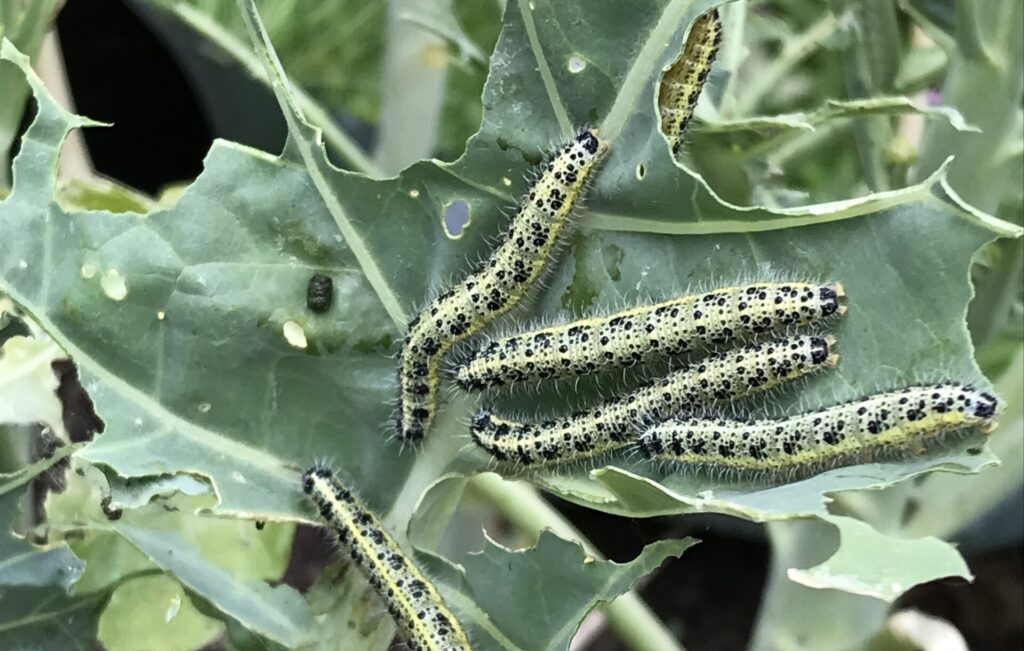
Cabbage White Butterflies
Protect brassicas by:
- Covering crops with insect netting
- Growing nasturtiums as sacrificial plants
- Planting aromatic herbs nearby
- Checking leaves regularly for eggs
Flea Beetles
Flea beetles attack young brassicas.
Reduce damage by:
- Keeping soil moist
- Using row covers
- Encouraging rapid growth
- Growing companion plants such as dill and calendula
Beneficial Insects Every Garden Should Attract
One of the best forms of pest control is inviting nature to do the work.
Ladybirds
Eat hundreds of aphids throughout their lives.
Lacewings
Their larvae consume:
- Aphids
- Whiteflies
- Thrips
- Mealybugs
Hoverflies
Adult hoverflies pollinate flowers.
Their larvae feed heavily on aphids.
Ground Beetles
Excellent predators of:
- Slugs
- Snails
- Caterpillars
Parasitic Wasps
Tiny but highly effective against caterpillars, aphids, and whiteflies.
The Best Companion Plants for Pest Control
Certain plants help repel pests or attract beneficial insects.
| Plant | Helps Deter |
|---|---|
| Marigolds | Aphids, whitefly, some soil pests |
| Nasturtiums | Aphids, cabbage white butterflies (trap crop) |
| Garlic | Aphids, carrot fly |
| Chives | Aphids, carrot fly |
| Basil | Whitefly around tomatoes |
| Dill | Hoverflies and parasitic wasps |
| Lavender | Moths and some flying insects |
| Rosemary | Cabbage moths |
| Calendula | Aphids and pollinators |
| Borage | Attracts bees and beneficial insects |
Homemade Organic Pest Sprays
Natural sprays can help when pest numbers become too high.
Mild Soap Spray
Suitable for:
- Aphids
- Whitefly
Mix a small amount of pure liquid soap with water and spray directly onto affected insects. Test on a few leaves first and avoid spraying in full sun.
Garlic Spray
A garlic-based spray may help deter some insect pests due to its strong scent.
Chilli Spray
Can discourage feeding by some pests, but use sparingly and avoid contact with eyes, skin, and beneficial insects.
Sprays should be used thoughtfully as part of a broader integrated approach rather than as a first response.
Organic Slug Control
Instead of slug pellets, try:
- Wildlife ponds
- Log piles
- Bird-friendly planting
- Wool pellets
- Copper tape
- Sharp gravel around vulnerable plants
- Evening inspections
Healthy wildlife populations often provide the most effective long-term slug control.
Organic Pest Control by Crop
Tomatoes
Common pests:
- Aphids
- Whitefly
Best companions:
- Basil
- Marigolds
- Garlic
Brassicas
Common pests:
- Cabbage white butterflies
- Flea beetles
Protection:
- Insect mesh
- Nasturtiums
- Dill
- Rosemary
Carrots
Common pests:
- Carrot fly
Protection:
- Onions
- Chives
- Fine mesh
- Crop rotation
Beans
Common pests:
- Blackfly
Protection:
- Pinch out soft growing tips if infestations develop.
- Encourage ladybirds.
- Grow flowers nearby to attract beneficial insects.
Preventing Pest Problems Before They Start
The healthiest gardens rarely experience severe pest outbreaks.
Good prevention includes:
- Feeding soil with compost every year.
- Avoiding overcrowding.
- Rotating crops annually.
- Watering consistently.
- Removing diseased plant material.
- Planting flowers among vegetables.
- Keeping gardens diverse.
- Inspecting plants weekly for early signs of pests.
Early intervention is usually easier than dealing with a large infestation.
Organic Pest Control Calendar
Spring
- Watch for aphids on new growth.
- Protect brassicas with netting.
- Plant companion flowers.
Summer
- Encourage pollinators.
- Check tomatoes for whitefly.
- Water consistently to reduce plant stress.
Autumn
- Remove diseased foliage.
- Add compost.
- Plant green manures.
Winter
- Clean tools and pots.
- Plan crop rotation.
- Improve soil with organic matter.
Frequently Asked Questions
Does organic pest control really work?
Yes. Organic pest control is most effective when it combines healthy soil, biodiversity, companion planting, crop rotation, and regular monitoring. Rather than eliminating every pest, it keeps populations below damaging levels.
What is the best natural way to control aphids?
Encouraging ladybirds, lacewings, and hoverflies is one of the most effective long-term solutions. Companion plants such as marigolds, garlic, and chives can also help reduce aphid pressure.
Are homemade sprays safe?
Many homemade sprays can be useful when used carefully, but they should be tested on a small area first and applied in the evening to minimise the risk of harming beneficial insects or damaging plants.
Can I garden organically without pesticides?
Yes. Many gardeners successfully grow productive vegetable gardens using compost, companion planting, physical barriers, biological controls, and careful observation instead of synthetic pesticides.
Conclusion
Organic pest control is about creating a healthy, balanced garden where plants, wildlife, and beneficial insects work together. By focusing on prevention, improving soil health, encouraging natural predators, and choosing companion plants wisely, you can reduce pest problems while supporting biodiversity and protecting pollinators.
Although occasional pest outbreaks are inevitable, a well-managed organic garden is remarkably resilient. With patience, observation, and sustainable gardening practices, you'll enjoy healthier plants, better harvests, and a thriving ecosystem that benefits both your garden and the wider environment.