Part of the Gardening Owl Grow Your Own collection. Practical growing advice for gardens and allotments.
Start small, then build confidence
You do not need an allotment, greenhouse or expensive equipment to grow your first food. A sunny patch of ground, a few containers or even a sheltered patio can give you a useful harvest. Begin with three or four crops you enjoy eating rather than trying to grow everything in your first season.
Sowing and planting dates depend on your local weather, especially the last frost, soil conditions and how sheltered your plot is. Southern coastal gardens can warm up earlier than exposed northern sites. Treat dates on seed packets as guides and check conditions first.
1. Choose where to grow
- Find a place with plenty of daylight and easy access to water. Most fruiting crops need good sun; some leafy salads tolerate a little shade.
- Use existing beds if the soil is reasonably free-draining. Containers and raised beds are useful where ground is limited or poor.
- Make growing areas narrow enough that you can reach across without stepping on the soil. Provide paths so the ground does not become compacted.
For help with different soils, read How to Prepare Garden Soil and Common Garden Soil Problems.
2. Pick forgiving first crops
| Crop | Why try it? | Typical approach |
|---|---|---|
| Salad leaves | Quick harvests in small areas | Sow small amounts repeatedly |
| Radishes | Fast-growing and good for learning to sow | Direct sow in suitable soil |
| Peas | Rewarding with simple support | Choose a suitable variety and sow at packet depth |
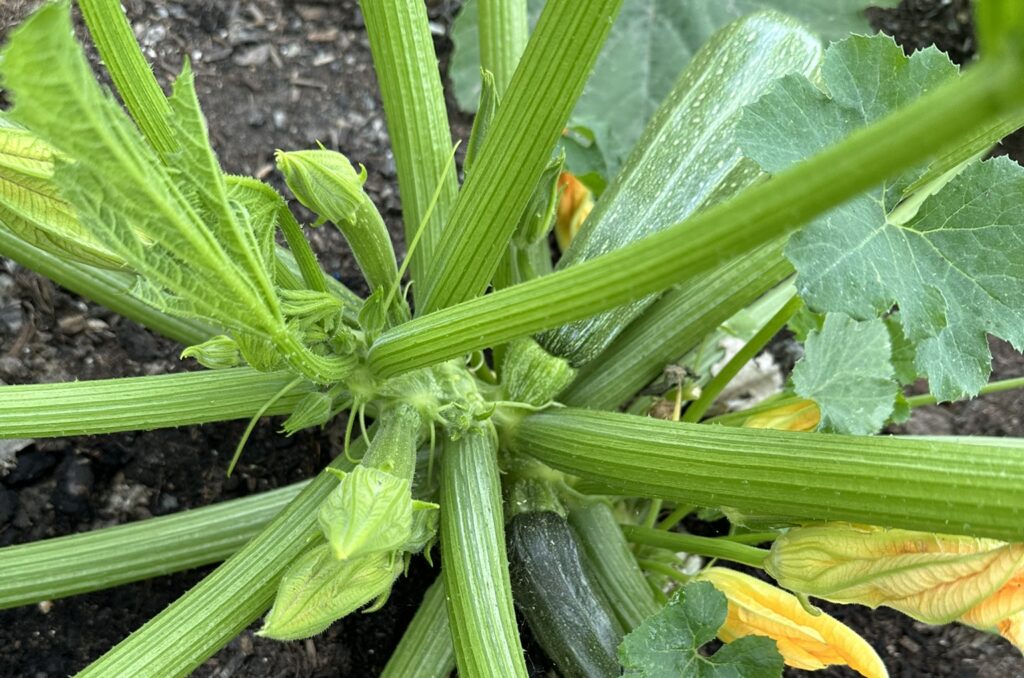
| Courgettes | Productive in summer if given space | Raise plants in spring and plant after frost |
| Bush tomatoes | Well suited to sunny containers | Start inside or buy young plants |
Choose varieties suited to your space. A sprawling courgette needs much more room than a tray of salad leaves. Two or three reliable crops are better than ten struggling ones.
3. Prepare beds and pots
Remove perennial weeds before planting. Loosen compacted soil only where necessary, add well-rotted organic matter and avoid digging when the soil is waterlogged. For containers, use a suitably sized pot with drainage holes and fresh peat-free potting compost. See Best Compost for Vegetable Gardens for the difference between potting compost and soil improvers.
4. Sow at the right time
Hardy crops may be sown outdoors when soil conditions permit; tender crops such as tomatoes and courgettes usually need indoor sowing or purchased plants before going outside after frost risk. Sow at the depth and spacing on the packet, label each row, and keep the compost evenly moist rather than saturated.
If you raise seedlings indoors, give them strong light and gradually acclimatise them outdoors over about 10–14 days before planting them out. This is called hardening off.
5. Keep up with simple weekly care
- Check soil moisture with a finger before watering; water the root area thoroughly when needed.
- Look for weeds and pests while plants are small, rather than waiting until they take over.
- Thin overcrowded seedlings as directed on the seed packet.
- Harvest little and often where suitable, especially salads and courgettes.
- Keep a notebook of sowing dates and which varieties did well.
Common beginner mistakes
Sowing too early: cold wet soil slows germination and can rot seeds. Too little light: plants become leggy or crop poorly. Too many plants: crowding creates competition and poor airflow. Inconsistent watering: containers can dry surprisingly quickly in warm spells.
What to grow next
Try our detailed How to Grow Courgettes, How to Grow Tomatoes, Vegetables in Pots and Grow Your Own hub. If you are planning a plot, see How to Get an Allotment.